RELATED TERMS: Sabi and Wabi Sabi
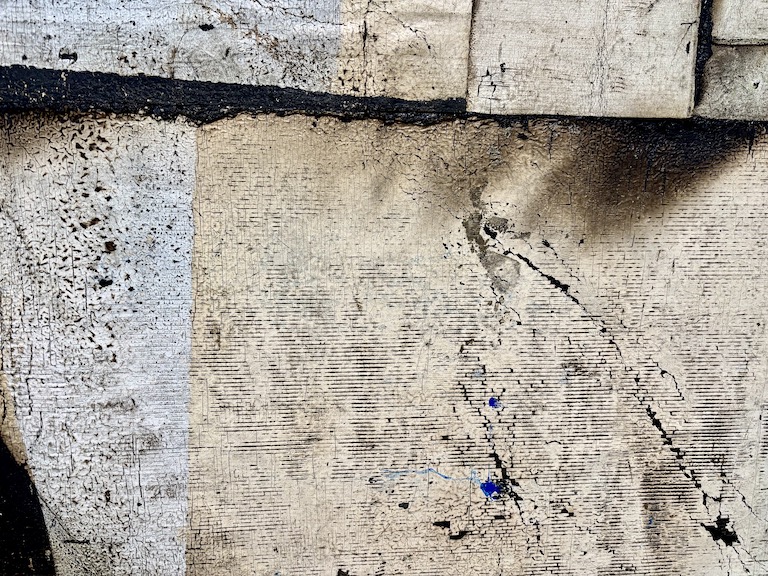
The human-environmental interactive dimensions of the design of narrative environments may be enhanced by a consideration of Japanese aesthetics expressed through design principles. Beginning in the Heian era (794-1185), the Japanese developed a distinct sense of aesthetic perception, including such experiences as mono no aware, ma and wabi sabi. Each of these notions carries a sense of understated aesthetic experience which guide perceptions and feelings toward the natural and the cultural environment or, dare we say, the ‘technological’ environment, as that which supplements the natural – both takes the place of (supplants) and adds to (augments). Furthermore, each of these aesthetics relies upon the participants’ keen sense of their surroundings, their mindful perception of their (own and shared) experience and the dynamic relationships between them.
Continue reading “Mono No Aware and Ma”
 Incomplete ...