RELATED TERMS: Collage, Montage, Assemblage and Bricolage
Thrownness, Givenness, Foundness
In his book Reality Hunger (2010), part of David Shields’ argument is that non-fiction is better adapted than fiction to address the realities of the modern world (Morrison, 2019). In the book, he defended his habit of quoting authors without attribution as a principled stand against copyright laws, but he also now links it to masochism: it was a way to be bad and therefore to be punished.
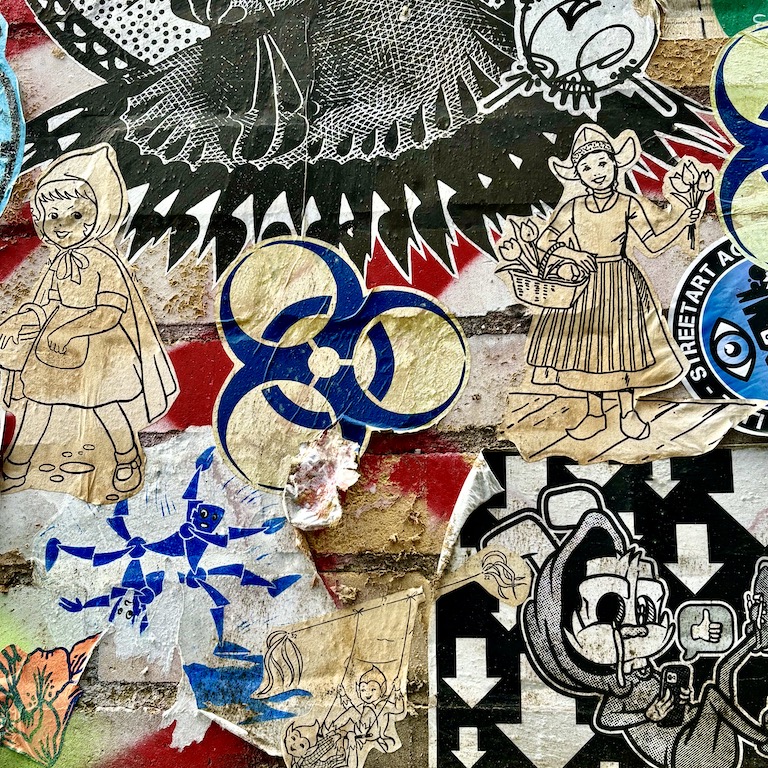
In The Trouble With Men (2019), the basic method remains the same. His argument is set out through a collage of thematically linked fragments. He is both author and curator. However, in this later book, the writers he draws on are given their due in square brackets.
Blake Morrison comments that,
“for all his talk of being miserable and pathetic (“The only music I’ve ever really loved is lamentation”), he takes a certain pleasure in the performance, with a good number of jokes (“Did you hear about the Scottish woman who loved her husband so much she nearly told him?”).”
(Morrison, 2019)
Perhaps her verbal reluctance was because she was aware that, pace Lacan, whom Shields cites, ‘loving is to give what one does not have’.
Discourse provocation: to what degree do design practices adhere to the snippet methodology, which brings authoring and curating together, in order to give what they do not have?
Reference
Morrison, B. (2019) ‘The Trouble With Men by David Shields review – reflections on porn and power’, Guardian, 23 February. Available at: https://www.theguardian.com/books/2019/feb/23/the-trouble-with-men-david-shields-review (Accessed: 19 July 2022).
 Incomplete ...