RELATED TERMS:
Use for: Frame narrative
A framing narrative contains a second, or further, embedded narrative, or narratives, for which it provides a context or setting. Sometimes the framing narrative begins and ends the narrative as a whole, providing book ends. At other times, it is simply present at the beginning of the narrative, acting as an introduction. Sometimes it reappears as a linking device between a series of embedded narratives. In all cases, the framing narrative sets the scene for the embedded narrative or narratives, providing a context in which we can read and interpret what they tell.
A special form of a framing narrative is a meta-narrative, where the containing and contained narratives are thematically and/or content related.
Framing sometimes comes as nesting of narratives in which A frames B, B frames C, C frames D and so on.
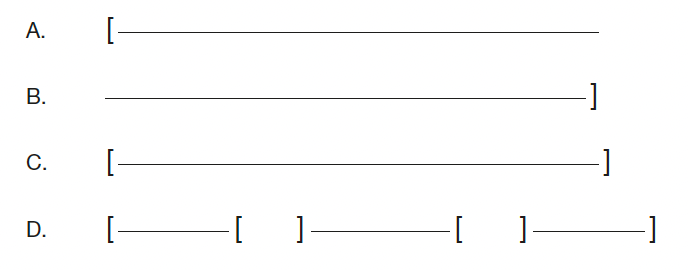
Monika Fludernik (2009: 28) defines four types of framing narratives. Frames, as shown by the square brackets in the figure below, may be found at the beginning, at the end or both at the beginning and the end of a narrative. Type A in the diagram below has been called introductory framing and type B terminal framing. Type C shows frames at both beginning and end. Frame narratives may also be interpolated at some point in the text interpolated frame, as in type D in the diagram. Type A has also been referred to as missing end frame while type B has been referred to as missing opening frame.
References
Fludernik, M. (2009) An Introduction to narratology. Translated by P. Häusler-Greenfield and M. Fludernik. London, UK: Routledge.
 Incomplete ...